
10 Common Causes of Alcoholism

The why do people become alcoholics amount of time it takes to become addicted to alcohol depends on unique factors, such as a person’s genetic makeup and how much alcohol they consume. Some research suggests that those who begin drinking in their teen years and have a family history of alcohol addiction are more likely to develop problems with drinking. Those who drink large amounts of alcohol are likely to become addicted more quickly, as binge drinking and heavy drinking are both linked to alcohol addiction. Alcoholism, or alcohol use disorder, is a complex condition characterized by an inability to manage drinking habits.

  • People often use the term “alcoholic” or “alcoholism” to refer to someone who is addicted to alcohol.
  • Dr. Ashish Bhatt explains how the combination of influences and genetics can cause some to develop a substance use disorder earlier in life than others.
  • Excessive alcohol consumption costs the United States more than $220 billion each year which combines lost productivity, health care costs, criminal justice costs and other effects.
  • Staying healthy and maintaining your sobriety takes time and dedication.

What is alcohol use disorder (AUD)?

It’s important for individuals seeking help and support for alcoholism to understand that recovery is a unique and personal journey. It may involve a combination of treatment options and support systems tailored to the individual’s needs. By reaching out for help, individuals can take the first step towards a healthier and alcohol-free life. Peer influence also plays a significant role in shaping drinking behaviors. Adolescents and young adults are particularly vulnerable to peer pressure, and the desire to fit in or be accepted can lead to excessive alcohol consumption. Engaging in social activities where alcohol is the focus can further reinforce and normalize drinking behaviors.

Drinking At An Early Age

If you’re male, you should drink no greater than two drinks daily, and heavy drinking is considered anything more than 14 drinks in Sober living house a given week or four in a given day. Females should drink no greater than one drink daily, and heavy drinking is considered anything more than seven drinks in a given week or three drinks in a given day. Engagement in supportive environments, like Alcoholics Anonymous meetings or other recovery-focused groups, can significantly enhance the success of recovery efforts. These settings offer a safe space for individuals to share their struggles, celebrate their victories, and learn from others who are facing similar challenges. Regular participation in such groups can help maintain accountability, reinforce commitment to sobriety, and provide a sense of community and belonging.
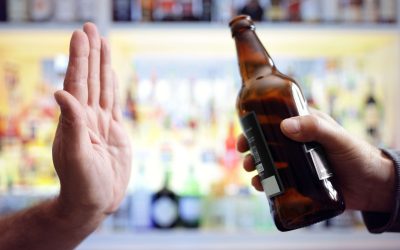
what are the main causes of alcoholism

What is alcohol withdrawal syndrome?

  • The strain on relationships is another significant consequence of alcoholism.
  • Understanding the psychological factors contributing to alcoholism is essential for effective treatment and recovery.
  • After a period of this repeated behavior, it can develop into alcoholism.
  • Genetics play a profound role in a person’s risk for developing AUD, accounting for about 40% to 60% of the risk.

Children who face these issues at a young age are more likely to try alcohol early. Studies show that being male and Caucasian increases these risks even further. Perhaps you grew up in a household where alcohol was consistently present at celebrations or used as a way to unwind after a https://www.iou.exchange/the-best-ways-to-celebrate-sobriety-milestones/ long day. These early experiences can shape our beliefs and attitudes about alcohol, setting the stage for potential problems later in life. While biology lays the groundwork, alcoholism can also develop from the experiences we have.


what are the main causes of alcoholism

What is a Halfway House? Rules, Guidelines, and What to Expect

It’s more vital than ever in ensuring long-term sobriety post-halfway house stay. Rules, guidelines, and what to expect at a halfway out are now more precise than before. These living homes aren’t just places for recovery—they’re stepping stones back into society. Besides this personal struggle, there’s also learning how to live alongside other recovering addicts within strict rules and structure – no easy feat. You have different backgrounds and personalities, all trying to coexist under one roof while fighting their battles against drug abuse. Family members can play a crucial role in the recovery process of halfway house residents.

What is the Central Issue of Halfway Houses?

If you or your loved one needs federal halfway house placement assistance or requires representation in a federal criminal matter, schedule a one-hour initial consultation with our team. Halfway houses offer job search support, resume workshops, and connections to local employers to help residents secure and maintain employment. For the most current and comprehensive information on federal halfway house locations, visit the BOP’s official Residential Reentry Management Centers page. This resource allows you to search for facilities by state, city, or judicial district, ensuring you find the options nearest your intended release location. By participating in family programs, engaging with the community, and following visitation guidelines, residents can build a strong foundation for successful reintegration and long-term stability after release. The cost of living in a halfway house ranges from $500 to $3,000+ per month, https://jobscareer.org/sobriety-how-to-start-and-maintain-a-sober/ depending on location, services offered, and whether funding or insurance assistance is available.

Every year, tens of thousands spend time in halfway houses

what is a halfway house

In addiction treatment and criminal justice, halfway houses serve as an essential step in reducing recidivism, supporting sobriety, and fostering sustainable what is a halfway house independence. A halfway house serves as a transitional living environment, providing a structured setting for individuals moving from more restrictive circumstances back into the broader community. These facilities offer a supportive bridge, helping residents develop the necessary skills for independent living and facilitating a gradual reintegration into society. Individuals who have recently completed an inpatient treatment program and are transitioning back into society can greatly benefit from the structure and support provided by a halfway house. These homes offer a safe and supportive environment to continue the recovery process while gradually reintegrating into everyday life.

what is a halfway house

Reset Your Mind: Benefits of Inpatient Mental Health Care

Violence and theft are not allowed or tolerated, and in keeping with the general purpose of a halfway house / sober living facility, drugs and alcohol are strictly prohibited. Studies show that individuals who participate in reentry programs, such as halfway houses, are less likely to return to prison. These facilities provide access to job training, mental health services, substance abuse counseling, and other programs designed to address the underlying causes of criminal behavior. Halfway houses provide a structured living arrangement that helps individuals adjust to life outside of prison. Residents follow strict rules, such as curfews, mandatory employment searches, and participation in rehabilitation programs.

  • Having this inherent network of support among your housemates is another vital part of the recovery process.
  • Once occupied, a cell was in the range of $20,000 to $25,000 annually to operate.
  • Some halfway houses focus on individuals recovering from drug or alcohol addiction.

For Loved Ones: How to Support a Loved One’s Mental Health

  • Whether someone is coming from a correctional facility or completing a substance abuse treatment program, a halfway house provides a stepping stone towards independent living while still receiving support and guidance.
  • To get into a halfway house, individuals typically need to meet certain criteria, such as being referred by a parole officer, a court order, or counselor.
  • If you or a loved one is approaching release or seeking guidance on federal halfway house placement, seek professional support.
  • These facilities typically house individuals who are nearing the end of their prison sentences, those on parole, or people required to stay as part of a court order.
  • Housekeeping duties and commitments are usually delegated to occupants as a part of their everyday tasks, developing accountability and aiding in the upkeep of the housing.

Our team does their best for our readers to help them stay informed about vital healthcare decisions. Calls to numbers on a specific treatment center listing will be routed to that treatment center. For those seeking addiction treatment for themselves or a loved one, our calls are confidential and are available for 24/7 help. You can see photos of all of our residential facilities and learn more about our programmes. My compassion, resilience, empathy, wisdom, knowledge, experience and  love I have for this forgotten population goes beyond words.

Halfway houses offer structure and support to individuals in early recovery by providing a stable living environment. Residents of halfway houses have typically completed an inpatient treatment program and are looking to continue their journey of sobriety in a less structured setting. These homes allow individuals to heal and rebuild their lives with the support of like-minded peers and professional staff. Halfway houses operate through structured schedules, house rules, and support programs. They are managed by staff who enforce sobriety requirements, facilitate group meetings, and assist residents with job placement. Some facilities are government-funded, while others operate privately, collaborating with treatment programs or sober living homes to maintain continuous care.

what is a halfway house

One reason that we know more about federal than state-level halfway houses has to do with the contracting process. Several factors contribute to the success of an individual’s stay in a halfway house, including gender, age, history of substance abuse, employment stability, and emotional and psychological state. Some halfway houses even require the residents to be employed or committed to finding a job while living there. Violence prohibition means that acts of aggression towards other residents will not be tolerated under any circumstances—again, with possible expulsion being a consequence.

Random tests of drugs and alcohol at random can be employed to check for what is Oxford House compliance. For the most part, people go to halfway houses because it is a mandatory condition of their release from prison. Some people may also go to halfway houses without it being required, simply because the facility provides housing. Placement in Residential Reentry Centers (RRCs) post-incarceration can technically be declined by people slated for release, but doing so would require staying in prison instead. The purpose of a halfway house is to help people who need some support to reintegrate into society after completing rehab.

Does alcohol slow bruise healing?

This fluid accumulation can occur in various parts of the body but often affects the feet and ankles due to the influence of gravity. Globally, the evidence consistently shows that higher alcohol taxes lead to reduced consumption, fewer alcohol-related health issues, and lower societal costs. The World Health Organization (WHO) advocates for increased alcohol taxation as an effective public health measure. Countries with the highest alcohol taxes, such as Norway, Finland, and Sweden, serve as models for this approach. Their success in curbing consumption through taxation provides valuable insights for other nations seeking to address alcohol-related problems.

Alcohol’s impact on blood vessels

Gout typically affects the big toe, but can also impact other joints such as the ankles, knees, wrists, fingers, and elbows. The condition is considered when a patient reports a history of repeated attacks of painful arthritis. Alcohol consumption can cause swollen feet due to a condition called edema, which is caused by water retention in the body. While this is usually not serious and will subside within a couple of days, frequent edema may indicate a larger issue. When alcoholic liver disease completely compromises the liver, https://ecosoberhouse.com/ a transplant is necessary. In cases of alcohol-induced liver failure, a liver transplant can be complicated.

  • They protect you from bleeding, help heal wounds, and even support your immune system.
  • However, you should always follow the specific instructions provided by your practitioner for the best results.
  • For optimal recovery, it is best to completely abstain from alcohol for the recommended period.
  • Moderating your alcohol intake by alternating alcoholic beverages with water can help prevent dehydration, which also means you’re less likely to feel the effects of drinking the next day.
  • While this is usually temporary, if it occurs frequently or persists for more than a couple of days, it could indicate a more serious problem.

Skin Problems for Drug Abusers and Alcoholics – AspenRidge

If a person notices frequent or unexplained bruising, can alcohol cause bruising it may be a sign of alcohol misuse or alcohol use disorder. Seeking medical advice is crucial to address both the bruising and any potential alcohol-related health concerns. It affects approximately 12% of individuals over 50 and up to 30% of those 75 and older. It causes dark purple lesions, usually on the arms and hands, which may appear after minor injuries but last longer than typical bruises. These lesions are more common in individuals with light skin, although they can affect anyone. There are certain preventative measures that can be taken, including using sun protection and avoiding injury.

  • Symptoms often mimic low platelet problems because the blood does not clot well.
  • Liver disease affects the blood clotting process, increasing your risk of bleeding and bruising easily.
  • Finally, excessive alcohol consumption can result in falls or other accidents that result in bruises.

Edoxaban switching scheme: worth the risks?

If you are concerned about your drinking or any symptoms, seek prompt advice from a healthcare provider. These bruises result from microscopic tears in blood vessels under the skin. Unexplained bruises that occur easily or for no apparent reason may indicate a bleeding disorder, especially if the bruising is accompanied by frequent nosebleeds or bleeding gums. Drinking alcohol after CoolSculpting can have a cascade of negative effects that alcoholism directly undermine your treatment’s success. From increasing bruising and swelling to straining your liver and delaying the elimination of fat cells, alcohol is a major roadblock to a smooth recovery and optimal results.

Delayed Healing and Reduced Results

alcohol and bruising

And since alcohol is a diuretic, you’ll probably visit the bathroom more frequently at night, which can significantly hinder sleep. Alcohol can deprive you of the energy and mental focus you need to go through the following day. You may also feel sluggish, groggy, and easily irritable, mainly due to disrupted sleep or low blood sugar levels. In short, alcohol may increase your risk of experiencing gastritis and digestive symptoms.

The liver is an integral part of the body, filtering blood, detoxifying chemicals, and metabolizing drugs. The liver has over 500 functions in the body, including breaking down about one alcoholic drink per hour. As one of the most critical organs in the body, the liver is usually low maintenance, operating quietly and efficiently. The liver becomes noticeable only when something of grave concern happens, like a severe condition or illness.

alcohol and bruising

Alcohol can trigger both short-term and long-term inflammation, affecting the body’s overall health and accelerating aging in certain tissues, especially the skin. Alcohol can indeed make bruising and bleeding worse, primarily due to its effects on blood clotting, blood vessels, and liver function. Understanding how alcohol influences these processes helps explain why alcohol consumption can exacerbate bleeding and bruising.

Withdrawal Symptoms

alcohol and bruising

And as tolerance builds, they’ll begin to drink more and more to achieve the same buzz or high they’re used to. If you have cirrhosis from alcohol liver damage, you’re also more likely to bleed and bruise easily. Liver disease often causes bruising because it affects the liver’s ability to perform its functions, including filtering blood and producing proteins that aid in blood clotting. When the liver is damaged and unable to function properly, its ability to produce these clotting proteins is impaired, leading to a condition called alcoholic fatty liver disease. This condition results in the accumulation of fatty acids in the liver, causing severe dysfunction and impairing its ability to filter toxins from the blood effectively.

Fique sempre sabendo de novidades em primeira mão!

Assine agora o nosso feed.